Introduction
Lighting installation Thailand projects define how guests experience commercial venues. In a nightclub, synchronized beams cut through haze, color washes transform the room with every track transition, and strobes punctuate bass drops. In a hotel lobby, warm indirect illumination guides guests while architectural accents highlight design elements. In a restaurant, intimate table lighting encourages longer stays and higher spend.
Yet lighting remains the most underestimated element in commercial venue design. Operators invest heavily in sound systems and interior design while treating lighting as an afterthought — mounting a few generic fixtures and hoping for the best. The result: flat, uninspiring spaces that fail to create the atmosphere guests expect from premium venues.
This guide covers the technologies, design principles, and practical considerations venue operators need to understand before investing in professional lighting installation Thailand-wide — from Phuket beach clubs to Phuket hotel lobbies.
Lighting Installation Thailand: Technologies for Commercial Venues
Moving Head Fixtures
Moving heads are the workhorses of dynamic entertainment lighting. These motorized fixtures rotate on two axes (pan and tilt), projecting focused beams that sweep across venues, creating aerial effects, spotlighting performers, and generating dramatic visual movement. Modern LED moving heads produce intense output — 15,000-40,000 lumens from compact fixtures — while consuming a fraction of the power of older discharge-lamp designs.
Beam moving heads produce tight, concentrated beams visible through atmospheric haze. They create the classic aerial beam effects associated with nightclub and concert lighting — intersecting beams, fan effects, and rapid movements that energize dance floors. Typical beam angles range from 1-5 degrees.
Spot moving heads project defined patterns through interchangeable gobos (metal or glass templates). They create textured washes on walls and floors, project logos and patterns, and serve as followspots for performers. Spot fixtures typically offer zoom ranges from 10-40 degrees.
Wash moving heads cover large areas with smooth, even color. They serve as the primary color-changing source for venue walls, ceilings, and audience areas. LED wash fixtures offer pixel-controllable zones within each fixture, enabling internal color mixing and effects without additional programming complexity.
Hybrid fixtures combine beam, spot, and wash capabilities in a single unit — reducing the fixture count required for versatile lighting rigs. For venues with limited mounting positions, hybrids provide maximum flexibility from fewer fixtures. Brands like ACME Lighting, an official Clubtek partner, produce hybrid fixtures specifically designed for demanding commercial environments.
LED Wash and Static Fixtures
Not every lighting application requires movement. Static LED fixtures deliver consistent color washing, accent lighting, and architectural illumination at lower cost and complexity than moving heads.
LED PAR fixtures (Parabolic Aluminized Reflector) provide compact, powerful color wash from fixed positions. RGBW (Red, Green, Blue, White) variants produce virtually any color including clean whites for functional lighting. They mount flush to walls, ceilings, and truss systems with minimal visual footprint.
LED strip and tape creates continuous linear illumination for architectural outlines, bar counters, shelving, cove lighting, and decorative accents. Professional-grade strips offer RGBW color mixing, individual pixel control, and weatherproof ratings for outdoor installation. They transform ordinary architectural elements into dynamic design features.
LED battens and wash bars provide wide-angle color washing from linear fixtures. They excel at wall washing — illuminating large vertical surfaces with smooth color gradients — and uplighting for columns, curtains, and architectural features.
Architectural and Decorative Lighting
Architectural lighting serves dual purposes: functional illumination and aesthetic design. In hospitality venues, architectural lighting creates the foundational atmosphere that entertainment lighting enhances.
Recessed downlighting provides controlled, focused illumination for tables, bars, and circulation areas. Dimmable LED downlights with adjustable color temperature (warm 2700K to cool 5000K) allow venues to shift atmosphere throughout operating hours — warm and intimate for dinner service, brighter and energetic for late-night operation.
Wall washers and grazers reveal texture and depth in wall materials — exposed brick, textured plaster, stone, and timber. Grazing lights mounted close to surfaces create dramatic shadows that enhance material texture. Wall washers mounted further away provide smooth, even illumination.
Feature and pendant lighting serves as both illumination and decoration. Custom fixtures become focal design elements — oversized pendants above bars, chandeliers in entrance areas, sculptural light installations in VIP zones. These fixtures define venue identity beyond their lighting function.
Control Systems: The Brain Behind the Lights
Without intelligent control, even premium fixtures deliver only basic on/off functionality. Professional lighting control transforms individual fixtures into a coordinated system capable of creating complex scenes, responding to music, and automating transitions throughout operating hours. Every serious lighting installation Thailand venues invest in should include a properly specified control system.
DMX512 Protocol
DMX512 remains the universal standard for entertainment lighting control. Each DMX universe supports 512 channels, with fixtures consuming between 1 and 60+ channels depending on their complexity. A simple RGBW wash fixture uses 4-8 channels; a fully featured moving head uses 30-60 channels. Large installations require multiple DMX universes — a nightclub might need 4-8 universes for 200+ fixtures.
DMX signal distribution uses either traditional 5-pin XLR cabling (daisy-chained fixture to fixture) or network-based protocols like Art-Net and sACN that distribute DMX over Ethernet infrastructure. Network distribution eliminates long cable runs, supports more universes, and integrates with venue IT infrastructure.
Lighting Consoles and Software
Professional lighting control ranges from compact hardware consoles to full software-based systems running on dedicated computers:
Hardware consoles (ChamSys, MA Lighting, Avolites) provide dedicated physical interfaces with faders, encoders, and touch screens. They offer rock-solid reliability for live entertainment environments where system crashes are unacceptable. Venue-grade consoles range from compact 2-universe units for restaurants to full-size touring desks for nightclubs and event spaces.
Software controllers (Lightkey, QLC+, Daslight) run on standard computers, offering lower entry cost and flexible expansion. They suit installations where lighting runs predominantly from pre-programmed scenes rather than live manipulation.
Architectural controllers (Pharos, Crestron, Lutron) focus on scheduled scene management, occupancy-based automation, and integration with building management systems. They excel in hotel lobbies, restaurants, and corporate spaces where lighting follows predictable daily patterns rather than live performance demands.
Audio-Reactive Lighting
In nightclub and entertainment environments, lighting must respond to music. Audio-reactive systems analyze incoming audio — detecting beats, frequencies, energy levels, and transitions — and generate lighting responses in real-time. Bass frequencies trigger low-mounted wash fixtures; high-frequency content drives beam movements; musical builds create progressive intensity increases.
Professional audio-reactive lighting goes beyond simple sound-to-light response. Advanced systems like SoundSwitch, ENTTEC, and custom-programmed console shows create sophisticated musical interpretation — recognizing song structures, anticipating drops, and executing precisely timed effects that appear manually programmed but run automatically.
Lighting Design Principles for Thai Venues
Climate Considerations
Thailand’s climate directly impacts lighting specification and installation. Outdoor and semi-outdoor installations — rooftop bars, beach clubs, covered terraces — require IP65-rated fixtures minimum, with marine-grade stainless steel mounting hardware in coastal locations like Phuket. Even indoor installations in venues without sealed air conditioning face elevated humidity that accelerates corrosion of connectors and degrades unsealed electronics.
Heat management matters more in Thailand than temperate climates. LED fixtures generate internal heat that must dissipate — when ambient temperatures already exceed 35°C, fixtures designed for 25°C operating environments reach thermal limits faster, triggering thermal protection (reduced output) or accelerating LED degradation. Specifying fixtures rated for 40°C+ ambient operation prevents premature performance loss.
Layered Lighting Design
Professional lighting design uses layers that combine for complete venue illumination:
Ambient layer: The foundational illumination level — indirect cove lighting, diffused overhead fixtures, wash lighting that establishes overall brightness and color temperature. This layer sets the baseline atmosphere.
Task layer: Functional illumination for specific activities — bar service lighting, kitchen pass lighting, reception desk illumination, bathroom fixtures. Task lighting must provide sufficient illumination for work while maintaining design consistency.
Accent layer: Directional fixtures highlighting design features, artwork, signage, and architectural elements. Accent lighting creates visual hierarchy, guiding attention and adding depth to spaces.
Effect layer: Dynamic entertainment fixtures — moving heads, strobes, hazers, and effect fixtures that create energy and spectacle. This layer activates primarily during entertainment operations and scales from subtle to intense based on programming. For venues that also rely on LED video systems, the effect layer coordinates lighting and video for unified visual impact.
Scene Programming and Automation
Venues that operate across different modes — restaurant by day, bar by evening, club by night — require distinct lighting scenes for each operational phase. Professional programming creates smooth transitions between scenes, timed to match operational schedules. Staff activate scene changes through simple interfaces — wall panels, tablet apps, or fully automated time-based scheduling — rather than manipulating complex lighting consoles.
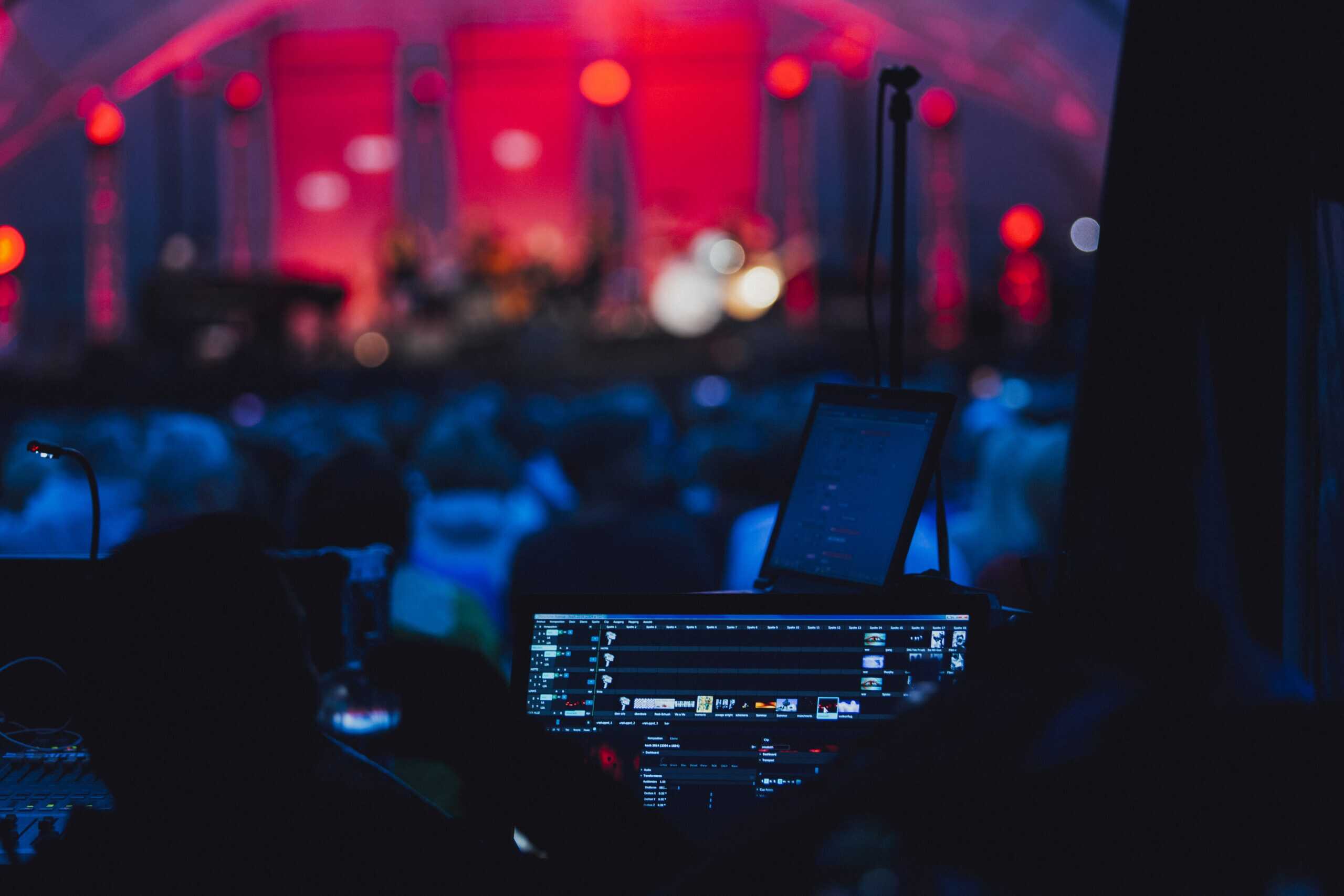
Pre-programmed scenes ensure consistent atmosphere regardless of which staff member is operating. A well-programmed system delivers the same guest experience whether the venue’s lighting designer is present or not — critical for hospitality operations with rotating staff.
Common Lighting Installation Mistakes
Beyond installation technique itself, several recurring design errors quietly undermine venue performance — single-scene wiring, overhead-only fixtures, wrong color temperature, and ignoring photographic considerations among them. We cover each in depth in our dedicated guide on 5 costly restaurant lighting mistakes hurting Thailand venues, with specific fixes and Phuket cost ranges. The principles apply equally to bars, lounges, hotels, and other hospitality formats.
Why Professional Lighting Installation Thailand Venues Need Expert Design
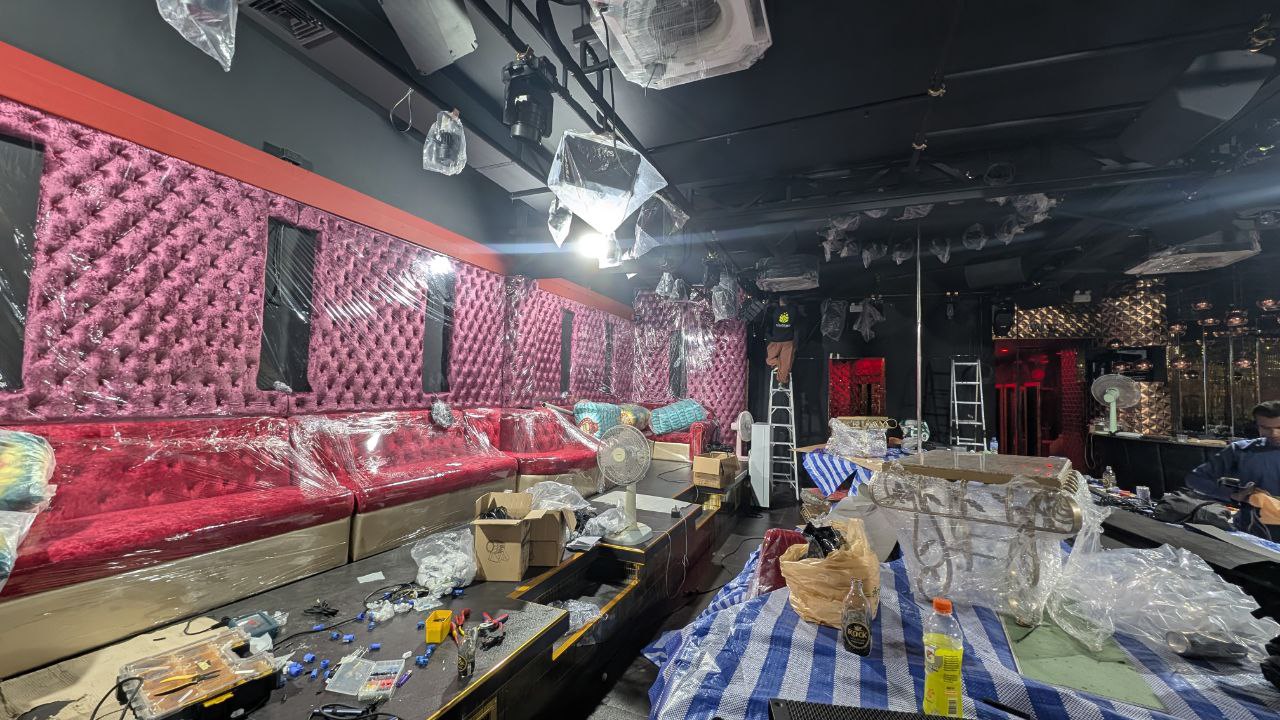
The gap between amateur and professional lighting installation is immediately visible to every guest, even those who cannot articulate why one venue feels energizing and another feels flat. Professional design addresses the technical requirements — power distribution, signal routing, thermal management, structural mounting — while simultaneously creating the artistic vision that transforms commercial spaces into memorable experiences.
At Clubtek, our lighting installations integrate with complete AV systems — sound, video, and control — creating unified environments where every element works together. From intimate restaurant installations to high-energy nightclub rigs with dozens of moving fixtures, our engineering team designs lighting systems matched to each venue’s operational requirements, aesthetic goals, and budget reality.
Conclusion
Professional lighting separates venues that guests remember from spaces they forget. The technology continues advancing — LED efficiency increases, fixture capabilities expand, control systems grow more intelligent — but the fundamental principles remain constant. Thoughtful design, quality fixtures, professional installation, and intelligent control create lighting systems that enhance guest experience, support venue operations, and deliver returns through increased guest satisfaction and extended visit duration.
Whether upgrading an existing venue or planning a new lighting installation Thailand operators should invest in professional consultation that ensures every fixture serves a purpose, every scene creates the intended atmosphere, and the complete system operates reliably through years of demanding commercial use. Book a free consultation with our engineering team to discuss your venue’s requirements.